What is Lazy Susan: Spin the Chef?
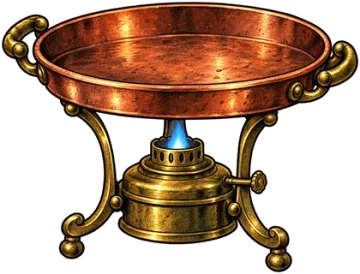
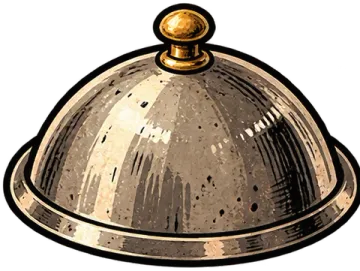
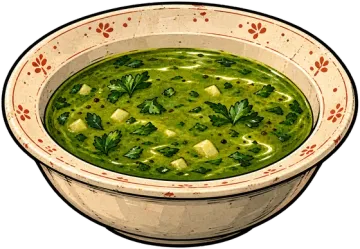
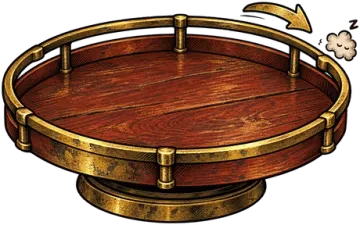
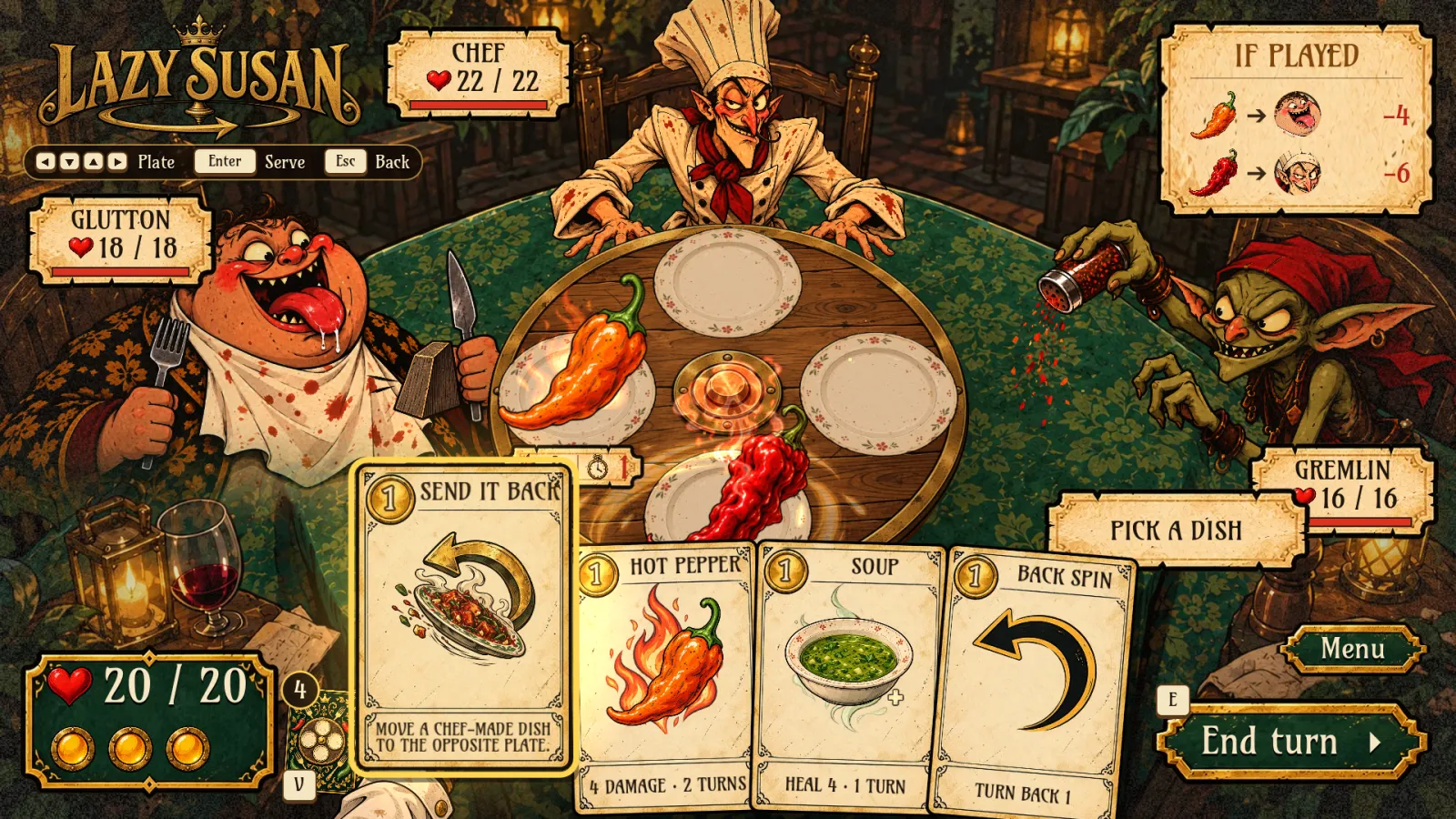
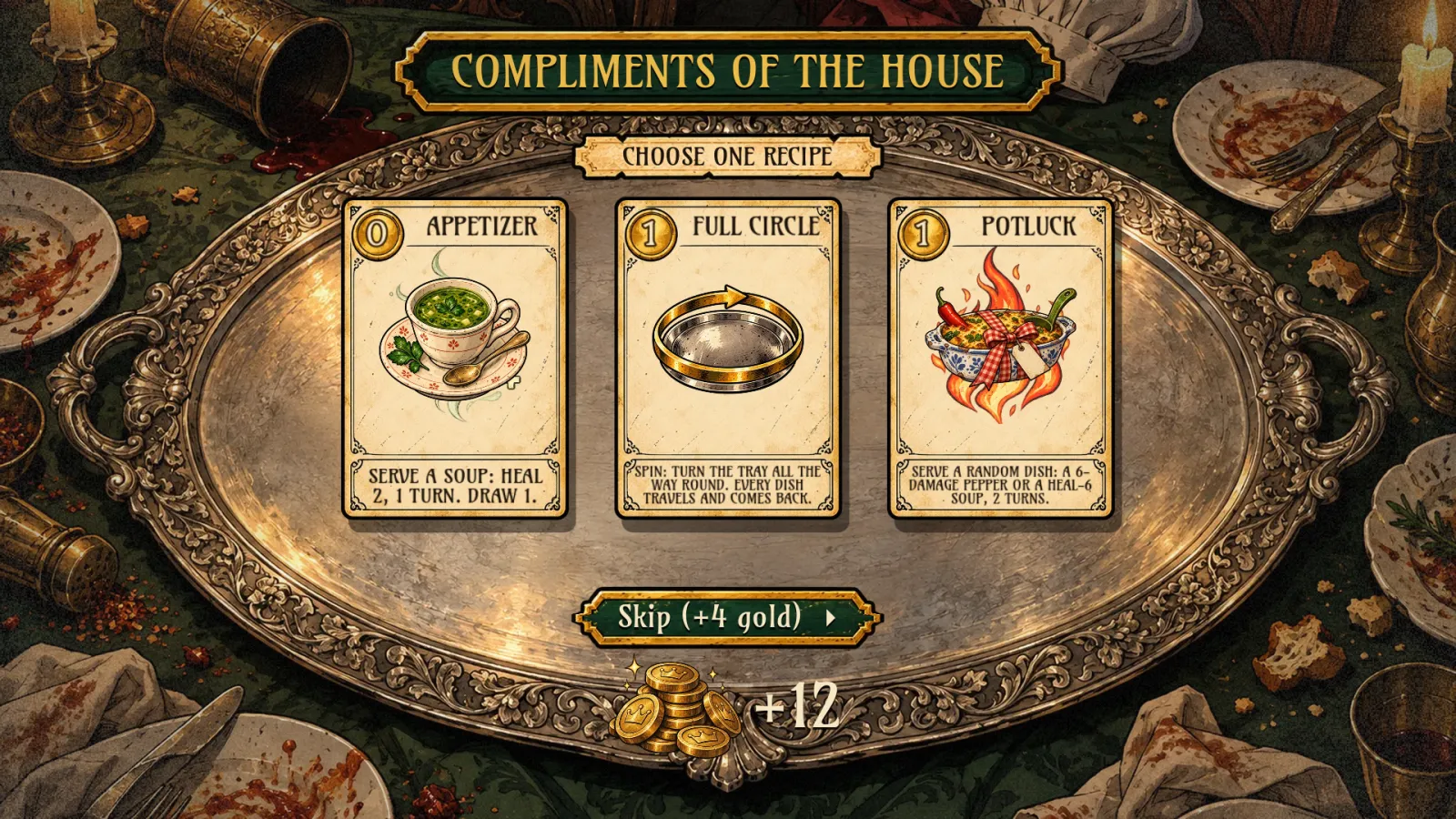
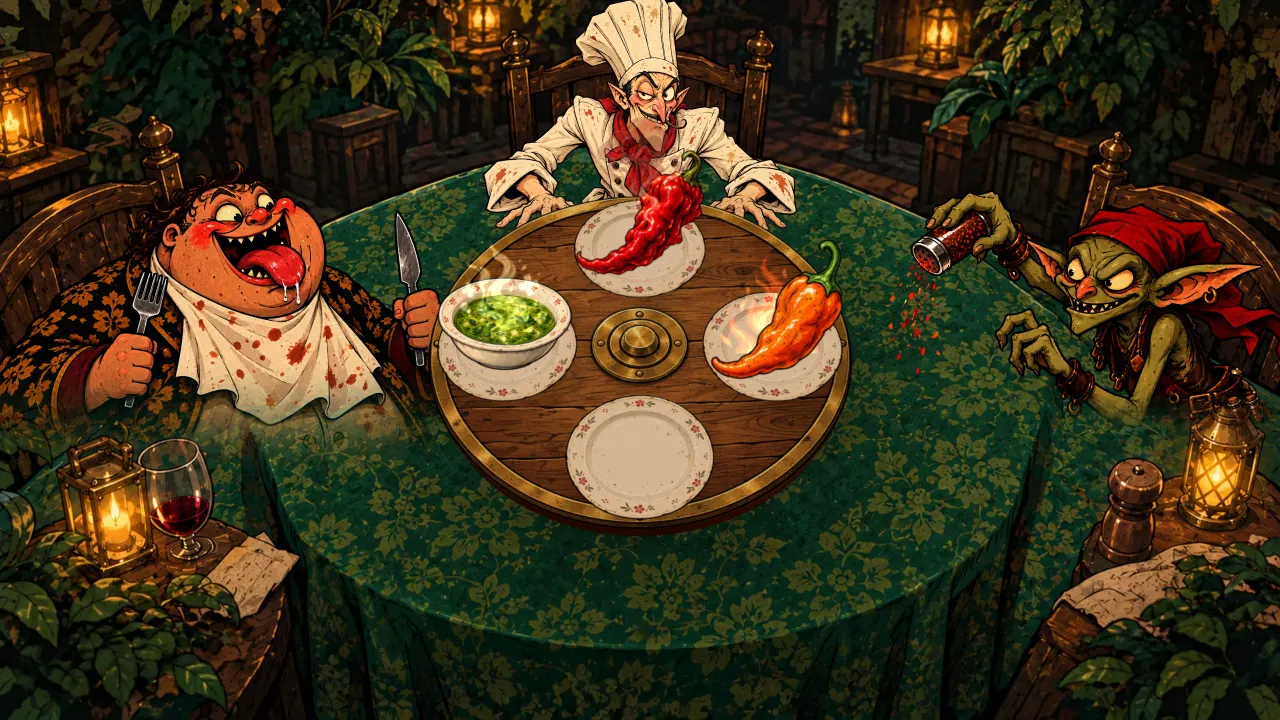
A single-player roguelike deckbuilder set at a sinister rotating dinner table. Every dish you and the guests serve rides the same lazy susan. You play cards to serve dishes and to decide how far the tray turns, so hot peppers land on your rivals and soup lands on you.
How does a turn work?
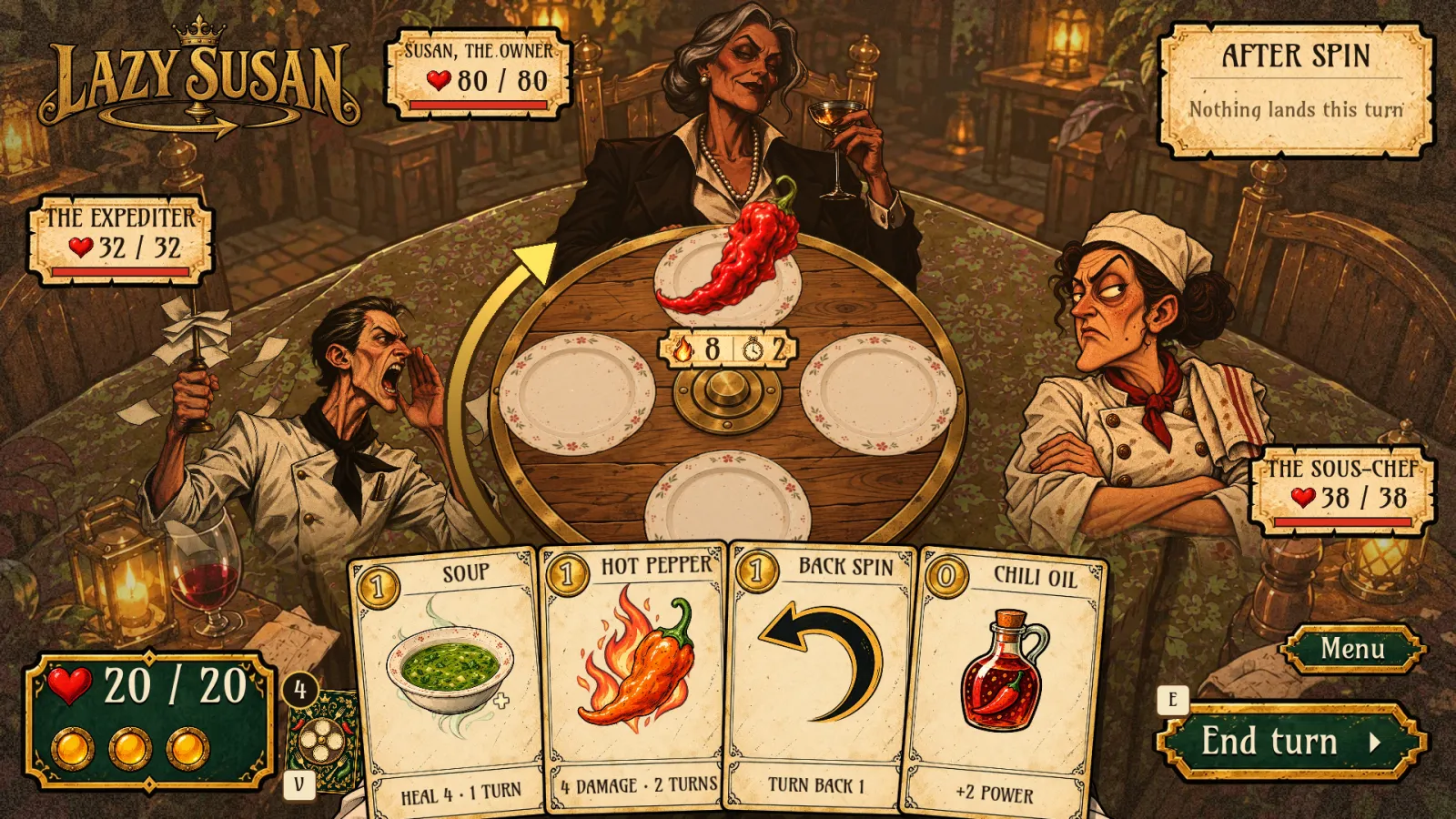
You play cards from your hand: dishes go on empty plates with a power and a number of turns, and spin cards change how far the tray turns. At the end of your turn the tray turns (one step unless a card says otherwise), the guests react to the dishes in front of them, every dish counts down a turn, and each dish at zero lands on the seat it faces.
How do you beat the Chef?
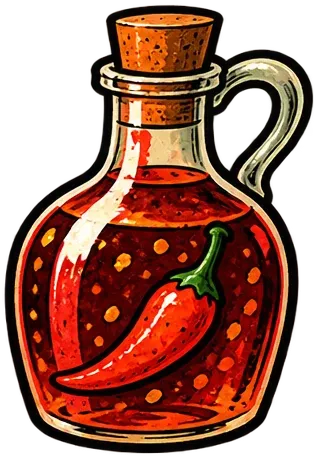
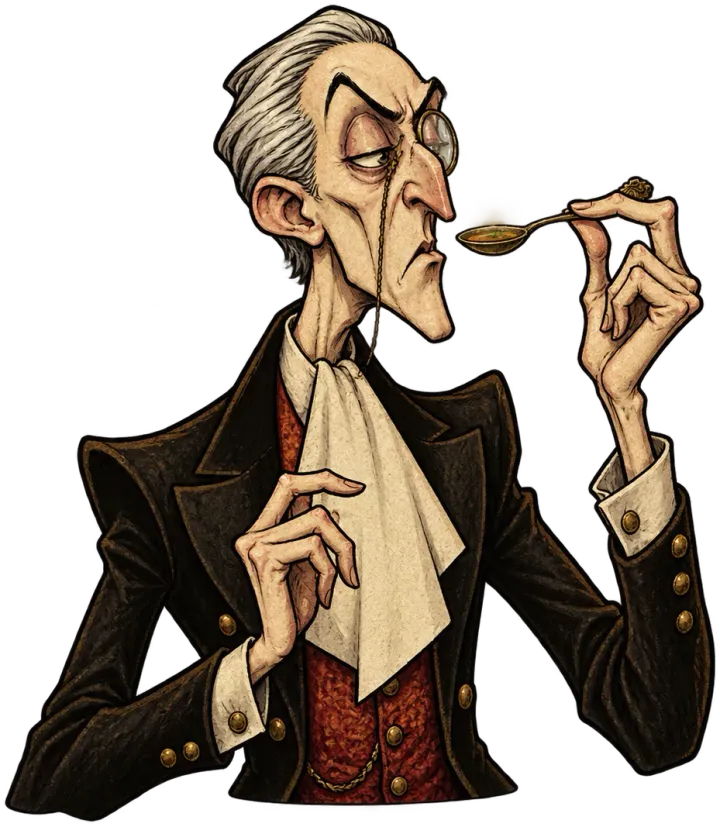
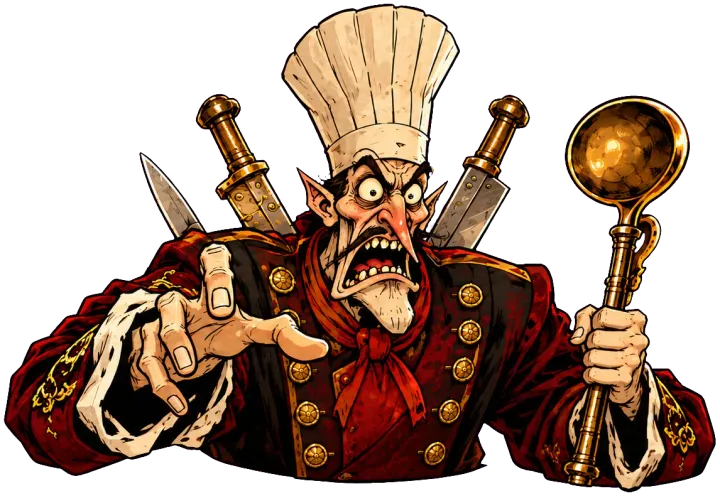
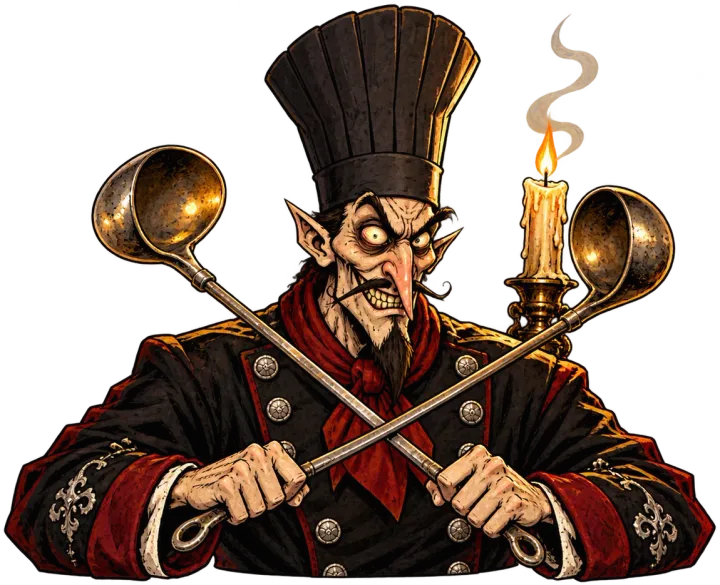
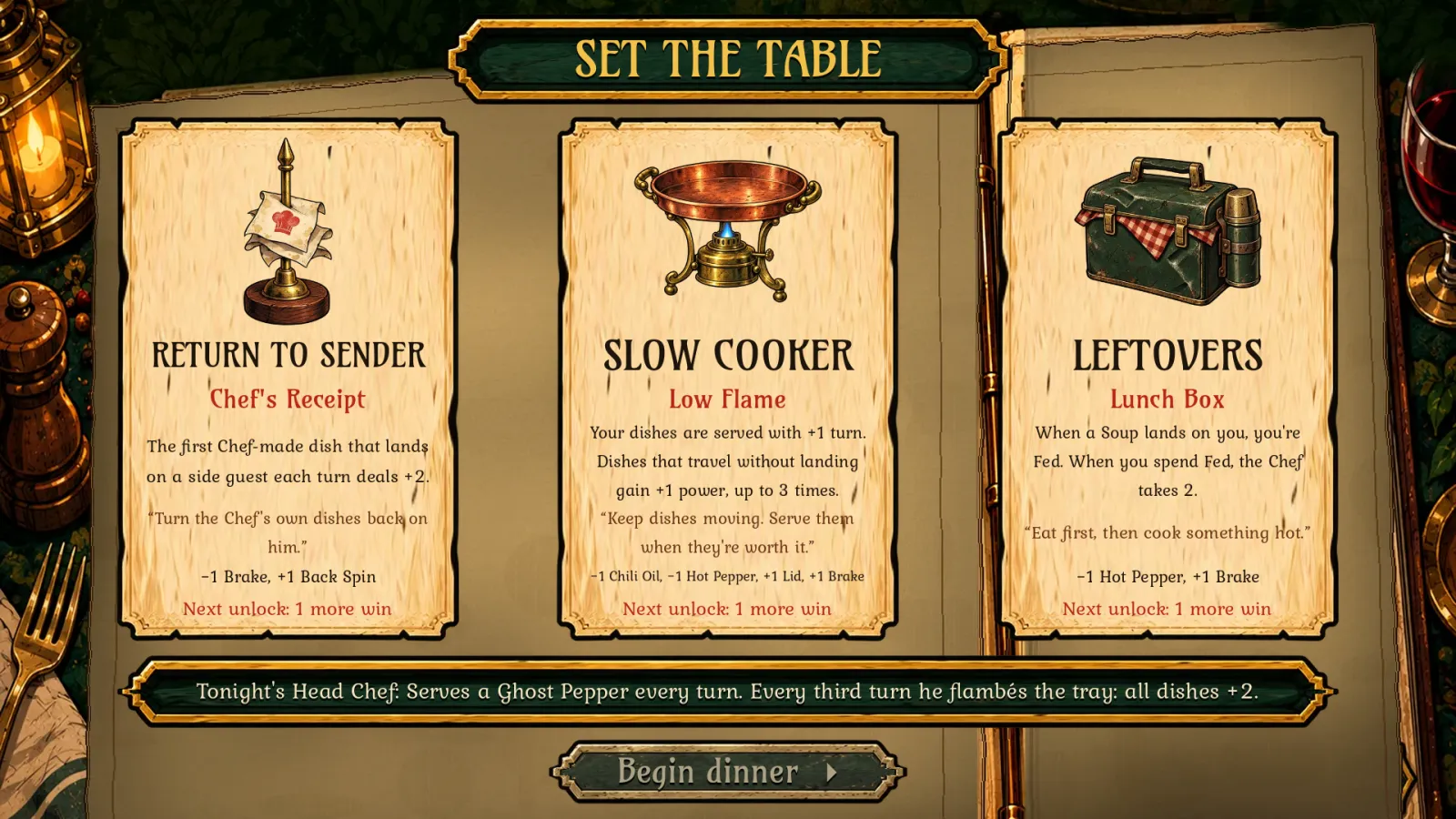
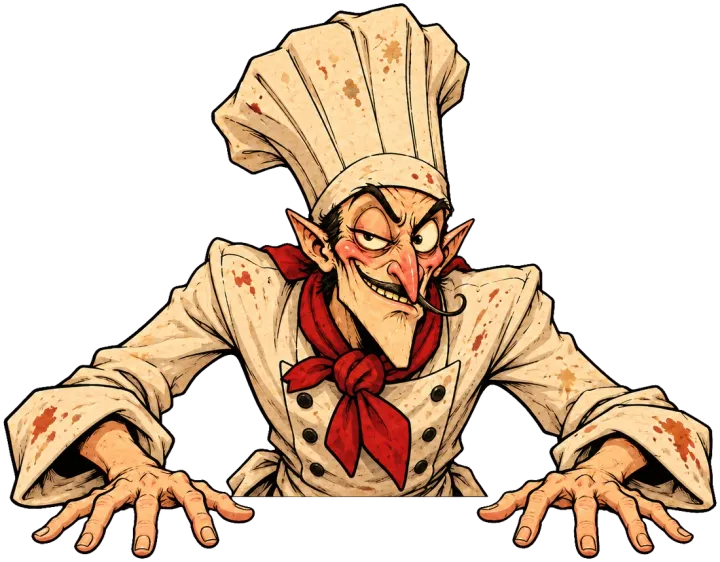
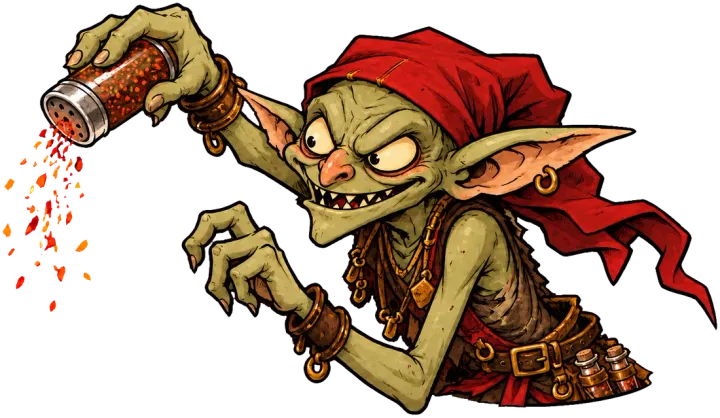
The Chef serves Ghost Peppers timed to reach you. Turn the table so his own pepper lands on him instead. The forecast shows where every dish will land this turn, and the turn after the card you are about to play.
How long is a run?
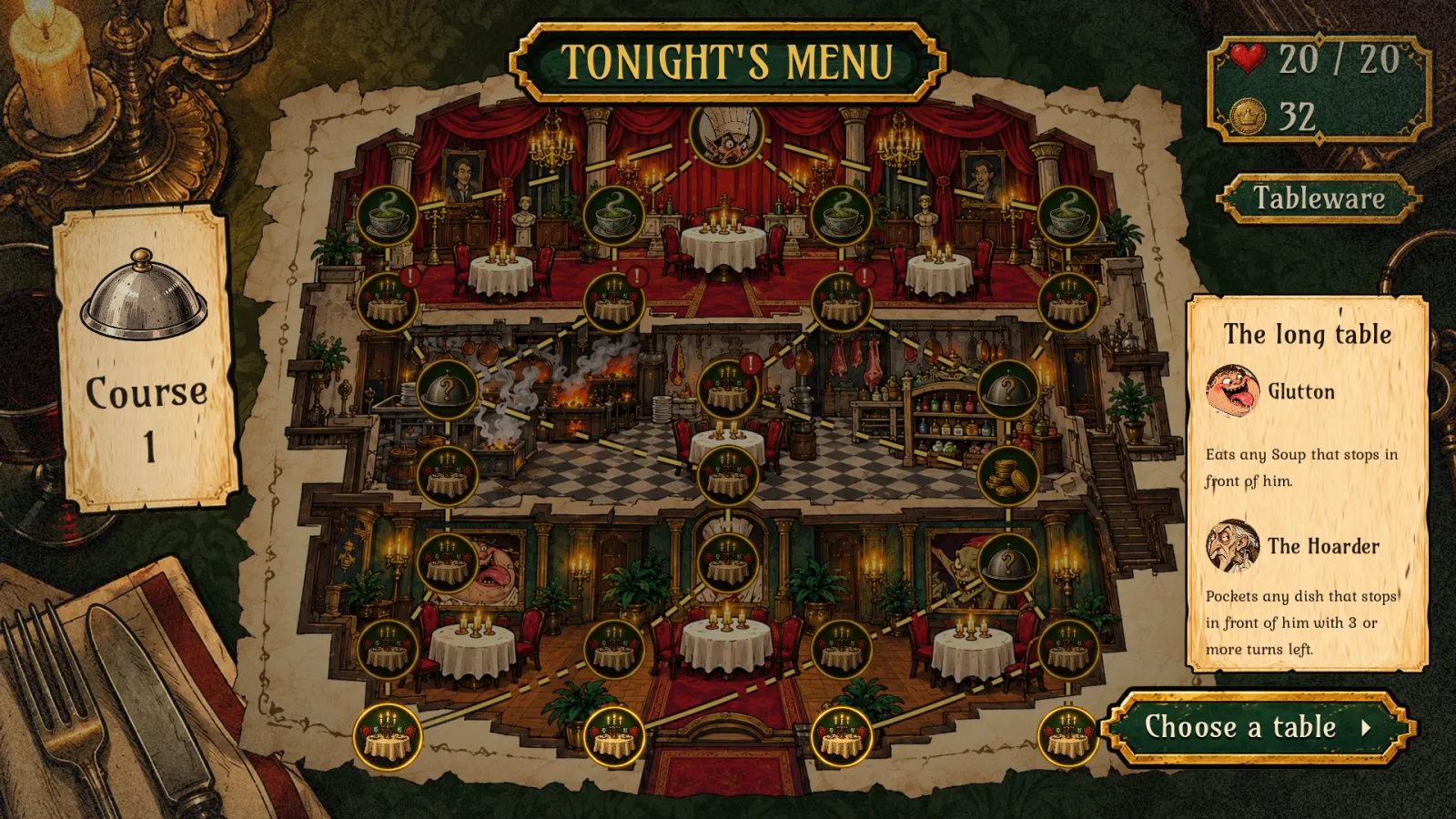
A full run is 3 acts on generated maps, about 14 tables in all, and each act ends at a boss. Between tables you visit pantries, rest stops and events.
How hard is it?
Each of the 3 setups has 10 Stars of difficulty, and each Star adds one rule. A daily table gives everyone the same dinner.
Which platforms and languages?
iPhone, iPad, Windows, macOS, Linux and Steam Deck, with mouse, keyboard, gamepad and touch controls. The game is in English, Simplified Chinese, German, French and Spanish.
When does it come out, and what will it cost?
The iPhone and iPad release is planned at US$4.99, paid upfront. The release date and Steam pricing are to be announced.
Is it like Slay the Spire or Balatro?
It shares the roguelike deckbuilder structure: a run of fights, card rewards and relics. The difference is that every card works through one shared rotating tray, so the puzzle is timing and position: where each dish will be when it lands.
Does the game use AI-generated content?
The art was made with AI image tools (OpenAI) and selected, edited and composed by Brighteng, and the game was developed with AI assistance (Claude and OpenAI). The music and sound effects are made by code. Nothing is generated while you play.

 22 / 22
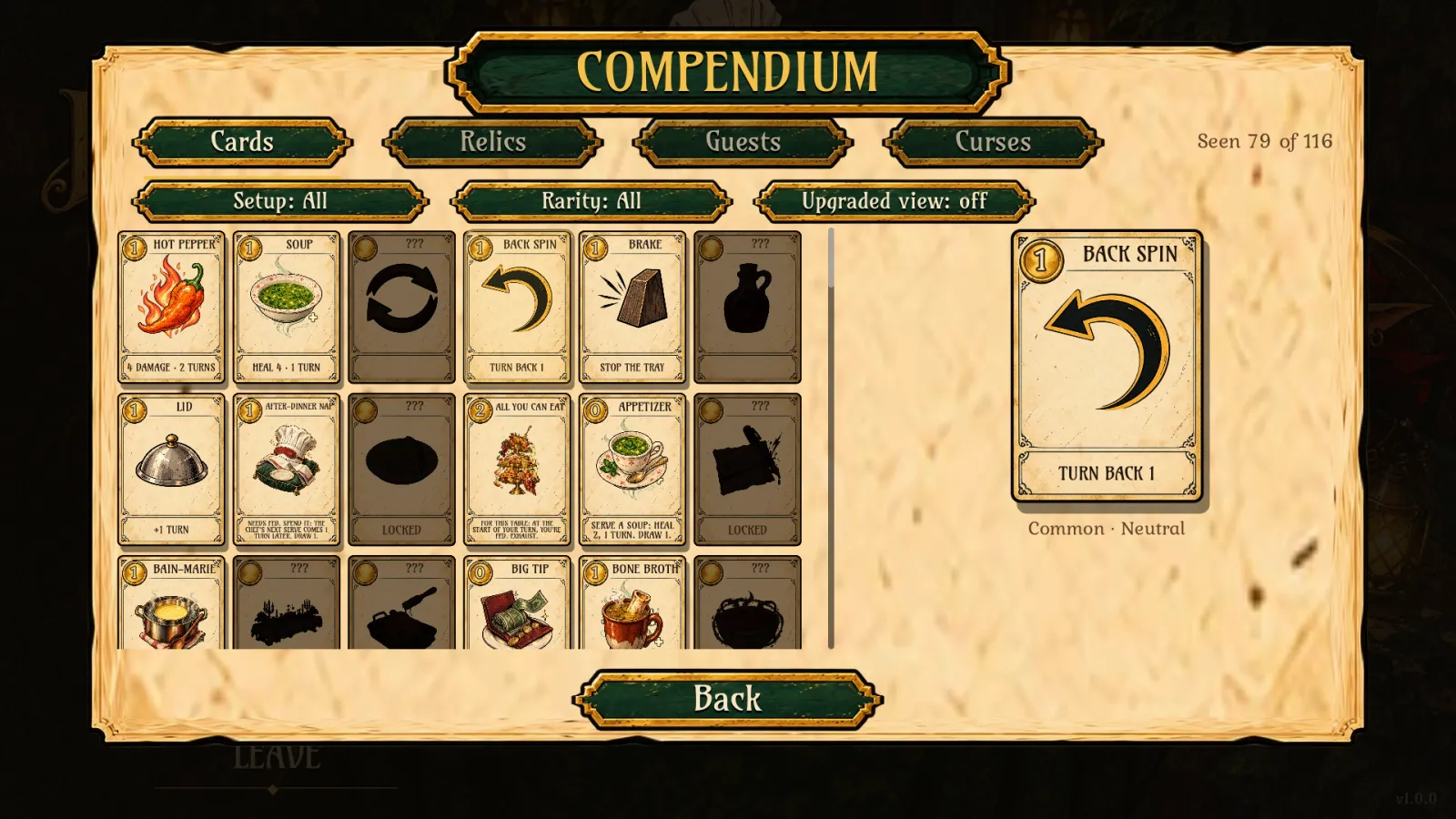
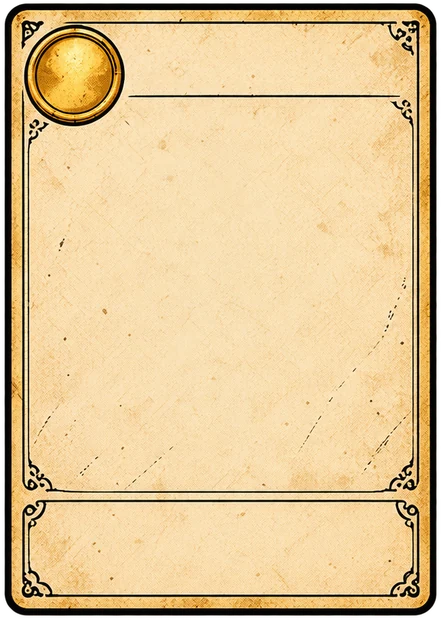 1Back Spin
 Turn back 1
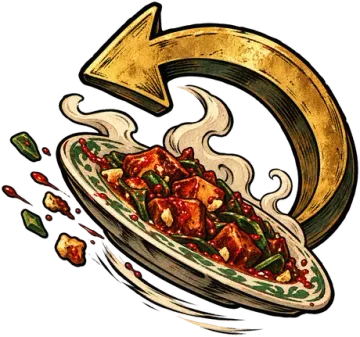 Move a Chef-made dish to the opposite plate.
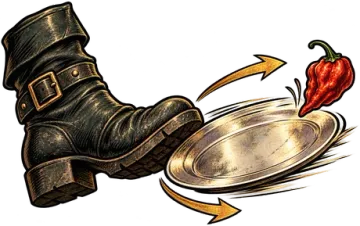 Move a Chef-made dish to the next plate. It gets +2 power.